Free Case Evaluation
 Contact Us 24/7

Important Bankruptcy Terms Chapter 7 and 13

When you are dealing with a legal matter related to bankruptcy with a bankruptcy lawyer it’s important to know the precise definitions of the items you are discussing. The following are bankruptcy terms that an individual filing for bankruptcy may want to be familiar with.
Automatic Stay
When you file for bankruptcy, all of your debts are paused. Your wages cannot be garnished, collectors cannot contact you for payments, and home foreclosures are put on hold. Lawsuits filed against you for debts will also stop.
Chapter 7 Bankruptcy
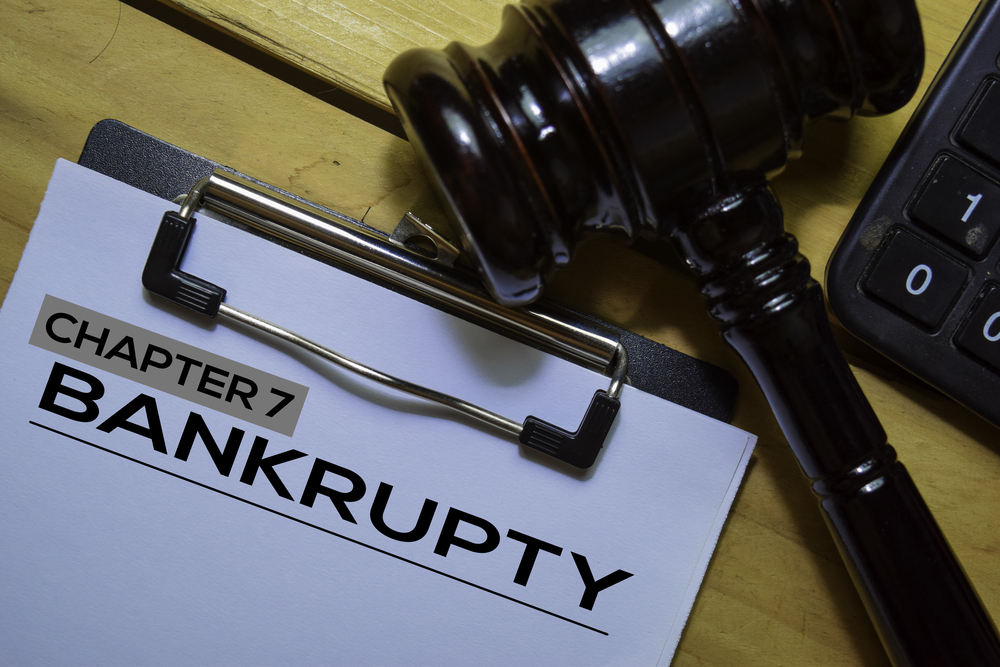
Chapter 7 is a type of personal bankruptcy that gives people a “fresh start.” Any assets a person has are liquidated in order to pay off debts. There are assets and property you are allowed to keep, such as your vehicle. When the bankruptcy process has been completed, your unsecured debts, such as medical bills and credit cards, are charged off and you owe nothing.
Chapter 13
Chapter 13 bankruptcy is also a type of personal bankruptcy. Like chapter 7, all debts are put on hold, however, instead of eliminating debts, the individual works with the creditors through the court to renegotiate debts and come up with a repayment plan. A monthly payment plan for a three-to-five-year period is developed that will allow the individual to pay all or a portion of the debt they owe. If there is a balance left after the agreed-upon time period, the balance of that debt is eliminated.
Discharge
At the end of chapter 7 bankruptcies, the majority of debts are eliminated. This is legally referred to as discharge.
Exemptions
When filing for bankruptcy, there are some assets that a debtor is allowed to keep and not have to sell off. The bankruptcy trustee overseeing your bankruptcy will determine what assets or property you have that are exempt.
Lien
A lien is what is placed on an item when an individual has purchased the property under some type of finance plan. The lien allows the creditor to repossess the item should the debtor fail to keep to the agreement. The creditor can either hold the item until they are paid or they can sell the item to recoup the amount the debtor owes them.
Secured Debt
Secured debt is that which is usually attached to an item that can be repossessed if the debtor fails to pay. Examples of secured debt are a vehicle with a car payment or a house with a mortgage. Your vehicle can be repossessed if you fail to pay and your house can be foreclosed on if you do not pay your mortgage.
Unsecured Debt
This is debt that does not have a specific item attached to it that can be taken back by the creditor. Examples of unsecured debt are credit card debt and medical expenses debt.
Contact a Bankruptcy Law Firm Today
If you are struggling financially, bankruptcy may be the best option for your situation. To learn more, call an experienced bankruptcy attorney.

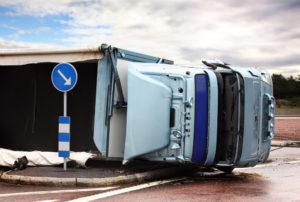 Truck accidents can happen for a myriad of reasons, which can be related to truck driver negligence, poor weather, road conditions, and more. But in most truck collisions, it is the trucker’s actions that are the primary cause of the incident. Among the reasons why truck accidents occur, trucker fatigue is the most prominent. In fact, trucker fatigue is a factor in about one in every ten truck accidents. But unfortunately, victims who get hurt in truck collisions may not realize that trucker fatigue is a real thing, and could be the reason they were seriously injured. Unfair fault tactics may be placed on victims when trucker fatigue is the actual culprit.
 If you think that estate planning is only for wealthy people and rich families, think again. Those who don’t have an estate plan may end up causing more confusion and further pain for family members who will already be grieving their loss. An estate plan provides instructions for how assets, guardianships, trusts, and other preferences are to be carried out after someone’s death. As a lawyer from W. B. Moore Law LLC. would agree with, it doesn’t matter how much your belongings are worth or how much money you have in the bank, we all have a legacy that deserves to be passed on to those we cherish the most. If you are stressed out about the idea of devising an estate plan, just consider these first few easy steps to get you started: